










My cart Close

Save 10% on full priced & rental equipment by being a member. Join for Free.

Added to your cart
Location ${ cart.attributes.location }
Pick-up ${ cart.attributes.hire_start }
Drop-off ${ cart.attributes.hire_end }
Qty
$${ cart.attributes.total }
Loading
${ item.vendor }
${ option.name } ${ option.value }
Qty
${ item.message }
Subtotal
AUD ${ cart.total_price | currencyFromCents }
Shipping Calculated at checkout
Checkout
FLAT RATE RETURNSFLAT RATE RETURNS Not the right fit? We offer easy try and exchange24/7 IN WINTER24/7 IN WINTER Our experts are available around the clock during winterSECURE CHECKOUTSECURE CHECKOUT Feel safe with encrypted transactions

Your bag is currently empty.

Sale

K2 2027 244 Ski

This product arrives .
Pre-order now to secure yours.

${variantStockMap[currentVariant.id]?.qty} in stock Out of stock

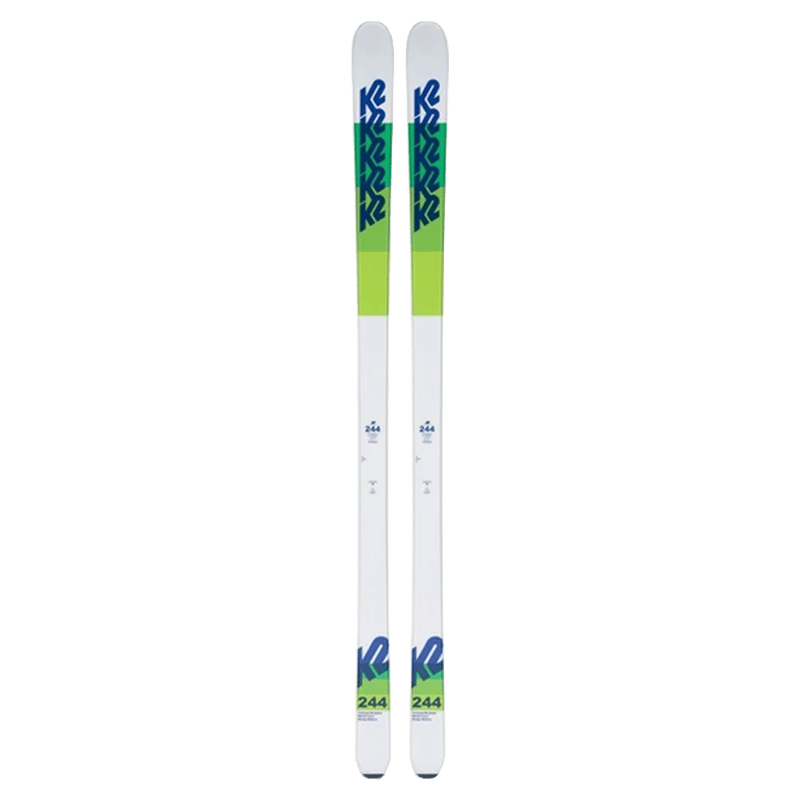
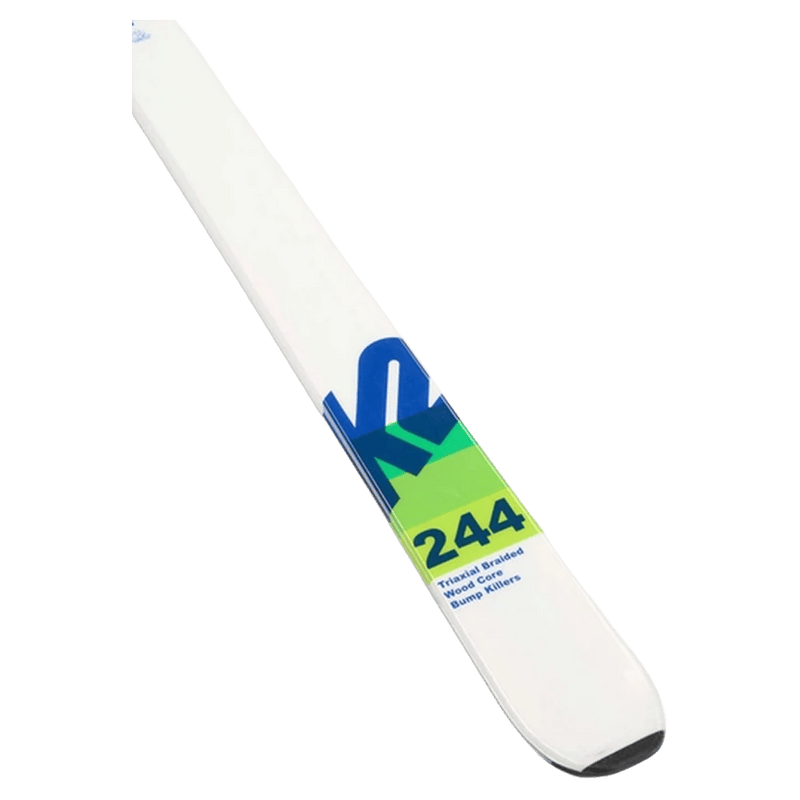
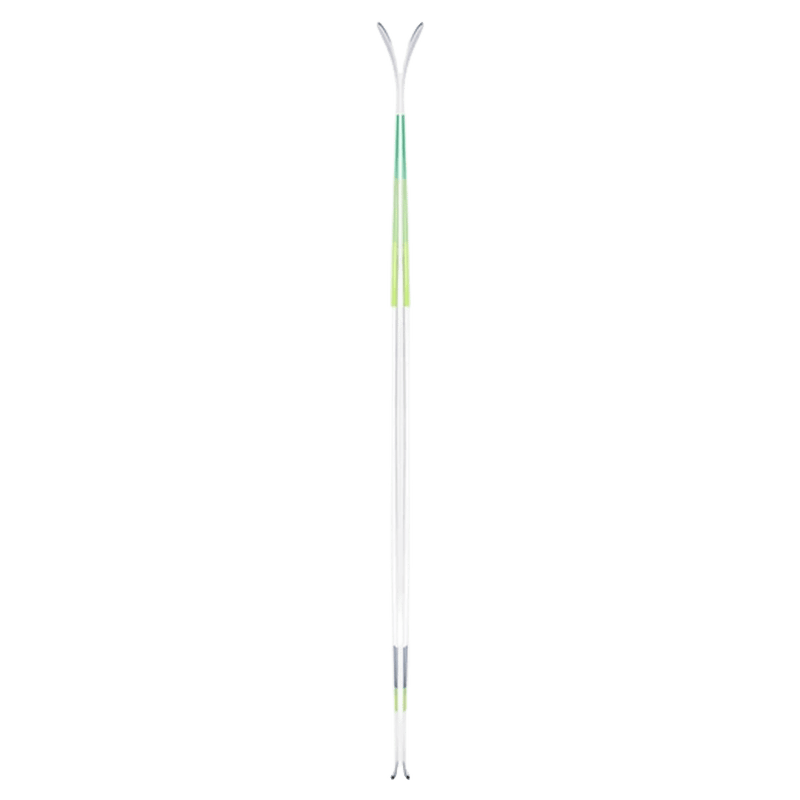
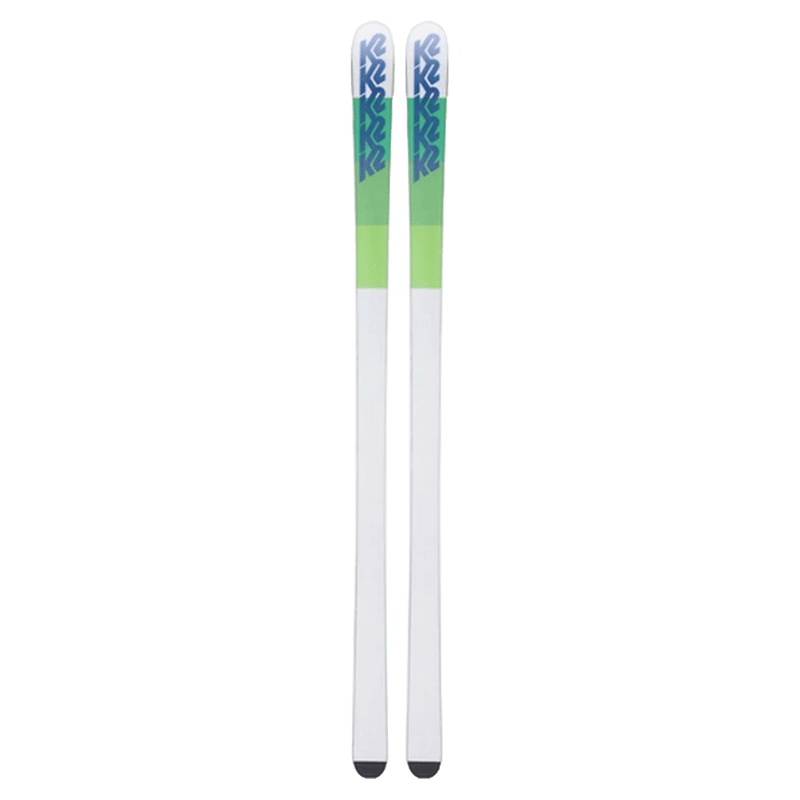
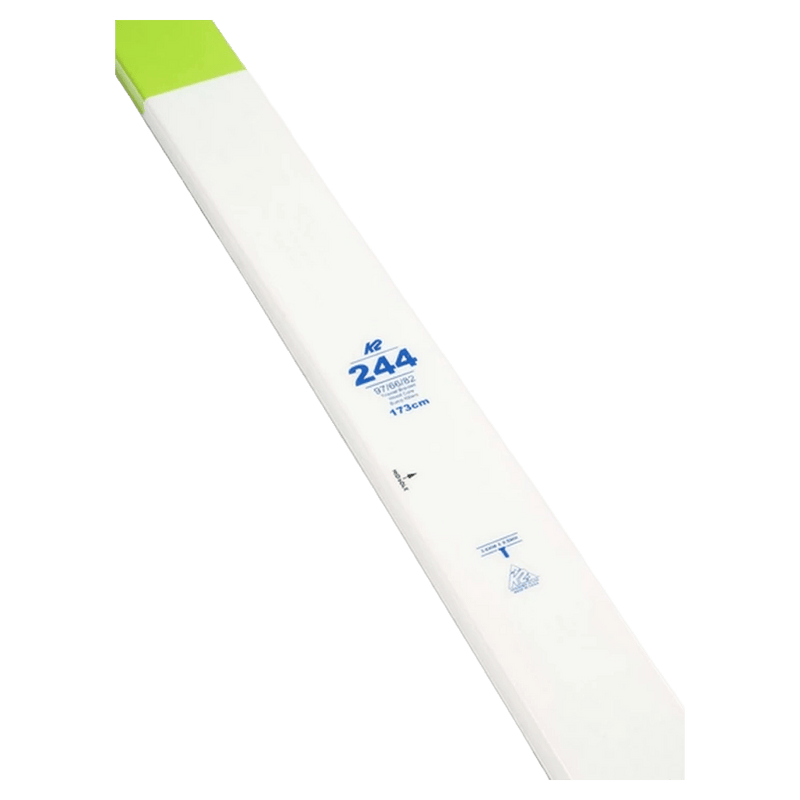
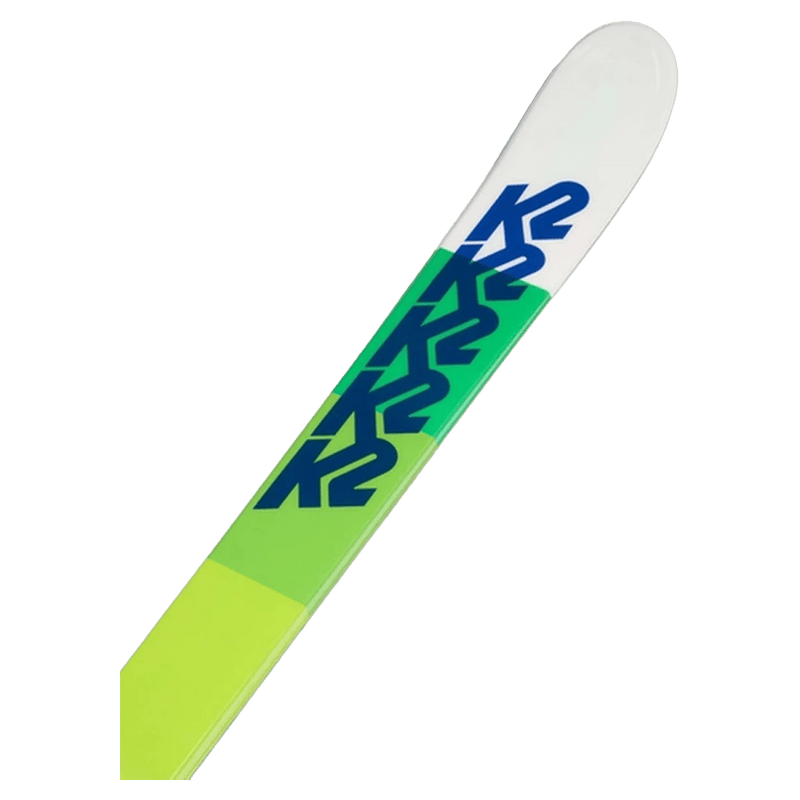
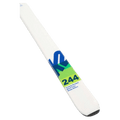
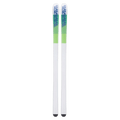
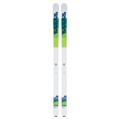
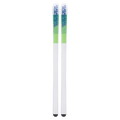
Some skis do a lot of different things pretty well, and some don’t. Those skis must totally and completely excel in one particular area as a result, and the K2 244 skis are a prime example of this. Built exclusively for competitive or obsessive mogul skiers, these straight sticks are a throwback to the skis of the mid-90's. It’s funny, though, how race skis have undergone a series of changes over the years, and have incorporated and altered different shaping techniques to maximize their efficiency in a race course, while mogul skis have stayed relatively the same. My big beef is that they’re just not long enough for bigger skiers, topping out at 173, but that’s mostly the case with competition bump skis these days. Nothin’ like my old 203’s (which I still have, btw)! At any rate, another one of the changes is that they use denser wood and more fiberglass to add more heft to the ski, so that 173 does ski and feel longer. Since they’re built to absolutely demolish tight zipper lines and land huge airs at almost 30 mph, they do have to have a more robust build, and K2 nails it. At 66 mm underfoot, they’re also a bit wider than my old skis (there I go again down memory lane), and while this makes for a bit less quickness, when it’s combined with the shorter lengths, it makes more sense. Bumpers and zipper line aficionados will love the K2 244 mogul skis.

Read more
Available Colours (${ colourSwatches.length })
${colour.colour}
${ drawerVariant.price | currencyFromCents } ${ drawerVariant.compare_at_price | currencyFromCents }
${ drawerVariant.price | currencyFromCents }

Delivery

Get a delivery estimate

Calculate shipping rates
Your delivery
${ rate.service_name }: $${ Math.ceil(rate.total_price * 100) / 100 }

Order before 1pm daily for same day shipping

Orders are dispatched from our Cooma NSW store Mon - Fri

No shipping rates found.

Pick Up In Store

${drawerProduct.title}

${ drawerVariant.price | currencyFromCents } ${ drawerVariant.compare_at_price | currencyFromCents }
${ drawerVariant.price | currencyFromCents }

Rhythm Snowsports Cooma

Rhythm Snowsports, 8 Sharp Street NSW 2603

Summer Opening Hours

Winter Opening Hours

Open 24hrs (Subject to demand)

Sale

K2 2027 244 Ski

This product arrives .
Pre-order now to secure yours.

${variantStockMap[currentVariant.id]?.qty} in stock Out of stock

Some skis do a lot of different things pretty well, and some don’t. Those skis must totally and completely excel in one particular area as a result, and the K2 244 skis are a prime example of this. Built exclusively for competitive or obsessive mogul skiers, these straight sticks are a throwback to the skis of the mid-90's. It’s funny, though, how race skis have undergone a series of changes over the years, and have incorporated and altered different shaping techniques to maximize their efficiency in a race course, while mogul skis have stayed relatively the same. My big beef is that they’re just not long enough for bigger skiers, topping out at 173, but that’s mostly the case with competition bump skis these days. Nothin’ like my old 203’s (which I still have, btw)! At any rate, another one of the changes is that they use denser wood and more fiberglass to add more heft to the ski, so that 173 does ski and feel longer. Since they’re built to absolutely demolish tight zipper lines and land huge airs at almost 30 mph, they do have to have a more robust build, and K2 nails it. At 66 mm underfoot, they’re also a bit wider than my old skis (there I go again down memory lane), and while this makes for a bit less quickness, when it’s combined with the shorter lengths, it makes more sense. Bumpers and zipper line aficionados will love the K2 244 mogul skis.

Read more

Rhythm Membership

Save 10% on full priced items & rental equipment*

Join Member for Free.

Easy Returns

14 days for refund or 365 for exchange!
Our Return Policy.

Fast Dispatch

Order by 1pm and we ship that business day.
Our Shipping Policy.

Product Details

Specs

Buying Guide

Intro
Intro

Whether you're a first-time skier or a seasoned pro, choosing the right skis can make all the difference in your experience on the mountain. With so many options available, it’s important to consider factors like your skill level, preferred terrain, and ski type to find the perfect fit.

Camber Profile
Camber Profile

A cambered ski, when unweighted, makes contact with the ground at two points: just behind the tip and just in front of the tail, with the middle of the ski slightly raised. This design effectively distributes the skier’s weight, enhancing turns, agility, stability, and grip on firm snow. However, cambered skis may struggle in deeper snow, as the tips tend to dive and sink.

Rocker

A ski with full rocker or reverse camber features a concave, underfoot arch, where the ski contacts the snow directly beneath the bindings, while the tip and tail curve upward from the centre. When combined with a wide waist, rocker improves flotation in deep snow but can feel unstable and difficult to control on other terrain.

Rocker Camber Hybrid

Combining rocker and camber gives skiers better stability and control underfoot, while the rocker in the tip and tail helps with turning and float in deep snow. This versatile design works well in various snow conditions. Skis with tip rocker offer better float and manoeuvrability but still have good edge grip with a traditional tail. Skis with both tip and tail rocker are more playful, easier to ski switch in powder, and offer better pivoting, though they may have less edge grip and stability on hard-packed snow.

Terrain
Terrain

When choosing skis, consider the terrain you'll ski most often, as different skis perform better on different parts of the mountain.

All Mountain

All-mountain skis are versatile skis designed to handle a variety of terrain, making them suitable for skiers who want to ski on both groomed runs and off-piste conditions. They typically have a medium width, offering a good balance between edge grip on hard-packed snow and floatation in softer snow like powder.

Carving

Carving skis are designed for making precise, sharp turns on groomed, hard-packed snow. They have a pronounced sidecut, which helps the skier carve clean arcs into the snow, providing excellent edge grip and control. These skis are typically narrower than all-mountain skis and are ideal for skiers who enjoy smooth, high-speed carving on well-maintained slopes.

Backcountry

Backcountry skis are ideal for skiers who enjoy exploring outside resort boundaries, offering stability and performance in both powder and challenging conditions. They are often used with touring bindings for easy ascent and descent in the backcountry.

Freeride

Freeride skis are designed for off-piste and more challenging, varied terrain, including powder, crud, and natural features like cliffs. They are typically stiffer and wider than all-mountain skis, offering stability and control at higher speeds in rough conditions.

Park

Park skis are specifically designed for terrain park skiing, which includes features like jumps and rails. They feature a twin-tip design that allows for skiing in both directions, and a softer flex for better manoeuvrability and easier landings.

Powder

Powder skis are designed for deep snow conditions, offering enhanced floatation and stability in soft, fluffy powder. They are typically wider with a significant amount of rocker in the tip and tail, which helps keep the skis on top of the snow. These skis are ideal for skiers who frequently ski in deep, fresh snow, especially in backcountry or off-piste areas.

Race

Race skis are specialized skis designed for high-speed performance in competitive alpine skiing. They are typically stiffer, narrower, and have a sharp sidecut for precise edge control on groomed, hard-packed snow. These skis prioritize speed, stability, and precision, making them ideal for advanced skiers and racers.

Ski Length
Ski Length

A general guideline is that beginner skiers choose skis from shoulder to chin height, intermediate skiers go for skis between chin and eyebrow height, and advanced skiers may pick skis from nose height or longer, based on preference.

Shorter Skis

You might opt for a shorter ski if any of the following applies to you:

  • You are a beginner or intermediate skier
  • You like to make short, quick turns
  • You weigh less than average for your height
  • You ski mainly on the groomers
  • You want a ski with plenty of camber, like a carving ski

Longer Skis

You might opt for a longer ski if any of the following applies to you:

  • You are an advanced or expert skier
  • You typically ski fast and aggressively
  • You weigh more than average for your height
  • You ski mainly on ungroomed terrain
  • You want a ski with plenty of rocker, like a powder ski
Waist Width
Waist Width

Waist width, measured at the ski's narrowest point, is an important factor after length. It affects how easily the ski turns and how it performs in powder or ungroomed snow. By considering the terrain you’ll ski, you can choose between a narrow or wide waist.

Narrower Widths

Narrow waists make skis faster and more responsive, perfect for groomed runs. They shift easily between edges and can be beginner-friendly but may struggle in fresh snow and be less stable on ungroomed terrain. All-mountain (on-piste), carving, and race skis typically have narrow waists, usually under 90mm.

Wider Widths

Wider waist skis are built for ungroomed terrain and fresh snow, offering better flotation due to their larger surface area. However, they may be less responsive on firm terrain or tight turns. All-mountain (off-piste), freeride, and backcountry skis often have wider waists, typically 90mm or more, with some going beyond 120mm.

Ski Radius
Ski Radius

When choosing skis, one important factor to consider is the ski radius, also known as the turning radius. This refers to the size of the arc a ski makes when turned on its edge. The radius is determined by the ski's sidecut—the difference in width between the tip, waist, and tail.

Skis with a shorter radius (under 15m) are designed for quick, tight turns on groomed runs.

Skis with a longer radius (over 18m) are better for wide, sweeping turns, offering more stability and control at high speeds. They are often preferred by skiers who like to carve on wide, groomed runs and ski aggressively or those venturing off-piste.

Binding Compatibility

Choosing the correct ski bindings is important for safety, performance, and comfort. They ensure your boots stay securely attached while also releasing properly in case of a fall, preventing injury. Proper bindings allow for better control, energy transfer, and a more comfortable, precise skiing experience.

Integrated Bindings

Integrated bindings are a great option for beginner and intermediate skiers because they are specifically chosen by the manufacturer to complement the ski’s design and performance characteristics. This ensures that the bindings are perfectly matched to the ski, helping to maximize stability, control, and overall ski performance. For skiers still developing their skills, this seamless pairing reduces the guesswork in selecting bindings and helps improve the overall skiing experience.

Standard Bindings

When bought separately, standard ski bindings are usually mounted after purchase by a ski technician, who will ensure they are proper installation. This process allows for a more customized fit and feel, as the technician can adjust the bindings to match your specific boot size, skiing style, and personal preferences.

When selecting a binding, make sure to consider the DIN settings, brake width, and boot compatibility.

Video

Reviews

K2 is the original American Ski and Snowboard Brand, founded in 1962 in Washington State. The brand continued to pioneer by expanding into snowboards in 1987.
Shop all K2

K2 Free & Original - Introducing The 25/26 Collection

Gear for skiers and riders who don’t wait for permission. Independent, innovative mountain culture.

Built for everything and anything
Specifically engineered women's products
Next level experiences for outdoor enthusiasts
Progressing the culture of the outdoors